Loading...
Serving Gilroy, CA and surrounding areas. (669) 345-1659
Quickset Gilroy Asphalt Paving serves Hollister, CA with grading, driveway paving, and parking lot work built for local clay soils and the city's mix of older and newer properties - licensed, responding within one business day.
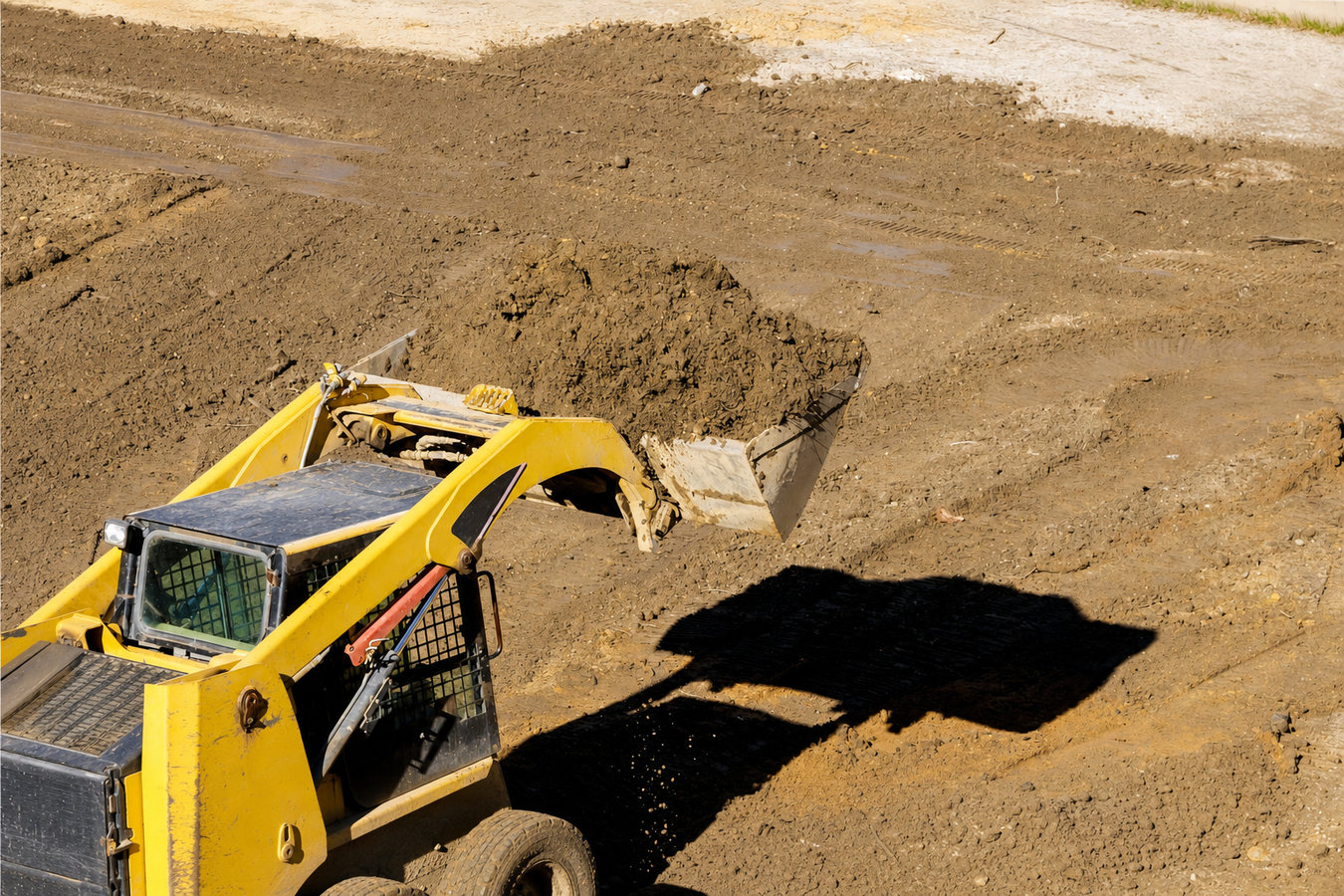
Many Hollister properties - especially newer homes built on the expanding west and south sides of the city - need proper grading before any paving can hold up long term. Clay soil that is not properly cut, filled, and compacted will shift under a new surface within a few years. Our grading and excavation work prepares the ground correctly before any asphalt goes down.
Hollister homes built in the 1990s and 2000s subdivisions often have driveways now 25 to 30 years old - past the point where maintenance alone is enough. New asphalt installed with proper base preparation on Hollister clay soil gives you a surface that handles both the seasonal shrink-swell cycle and the seismic ground movement the area is known for.
Commercial properties along the Highway 156 corridor in Hollister see steady vehicle traffic, and potholes in parking lots develop quickly when surface cracks are left unfilled through a wet winter. Patching potholes before they widen keeps lots safer and avoids larger repairs later.
Hollister summers are hot and dry, and the inland valley gets less of the coastal marine layer that cools areas closer to the ocean. That means asphalt surfaces here oxidize and dry out faster. Regular sealcoating keeps the surface sealed against moisture and UV damage through the seasonal extremes.
Hollister receives most of its annual rainfall in a short winter window, and clay soils drain slowly. Poor drainage around driveways and parking lots lets water sit on or under the surface, accelerating deterioration. We design drainage into every paving job so water moves away from the surface rather than pooling against it.
Older downtown Hollister homes near Fifth Street and the surrounding blocks often have original concrete and asphalt surfaces that have been cracking for decades. Sealing those cracks before the next rainy season prevents water from penetrating and further undermining the base beneath.
Hollister sits in the Hollister Valley in San Benito County, and two forces make paving work here different from most other areas in the region. First, the valley floor is dominated by alluvial soils with high clay content - soils that swell when the winter rains arrive and shrink back during the long dry summer. This seasonal movement is one of the primary reasons driveways, sidewalks, and parking lots crack here year after year. Second, the Calaveras Fault runs through the Hollister area, and the city experiences ongoing slow fault creep in addition to periodic earthquakes. Even small ground movements accumulate over time, and that cumulative stress shows up as cracking and shifting in concrete and asphalt surfaces. Contractors who do not account for these two forces in base preparation and drainage design are installing surfaces that will fail earlier than they should.
Hollister has also grown fast. The city roughly tripled in size between 1980 and 2020, driven by buyers moving south from the San Jose and Santa Cruz markets. Large subdivisions of stucco homes built in the 1990s and 2000s now have driveways 25 to 30 years old - entering the period when resurfacing or full replacement becomes necessary. Older homes near downtown on Fifth Street and the surrounding blocks have even older driveways that may have never been replaced. The Highway 156 commercial corridor has large parking lots that require regular maintenance to handle the daily traffic load. Each of these property types calls for a different approach, and a contractor who works Hollister regularly understands the difference.
Our crew works throughout Hollister regularly, and we understand the local conditions that affect asphalt paving and grading work here. Permit questions for paving and grading go through the City of Hollister Building Division - a process our team handles routinely on commercial and larger residential jobs. The two main travel routes through the city are State Route 156, which runs east-west and connects Hollister to US-101 near Gilroy, and State Route 25, which runs north-south through town and continues south toward Pinnacles National Park. Most newer residential growth has pushed west and south along these corridors, while the older downtown core and surrounding streets hold the city's original housing stock.
The city's growth has also produced a clear contrast between property types: homes near the older downtown blocks tend to have original driveways and flatwork that have never been replaced, while the newer subdivisions on the west side are now old enough that their first resurfacing or replacement cycle is due. We serve customers throughout the city, from streets near downtown to the newer neighborhoods along the Highway 156 corridor. We also work in nearby Los Banos, CA to the east, as well as communities north toward Gilroy and Morgan Hill.
Reach us by phone or the contact form and describe the surface or site you need worked on. We reply within one business day to confirm details and schedule a time to come out.
We walk the property, evaluate the base, check drainage, and assess any grading needs before quoting. You receive a written estimate with no obligation - pricing is based on your actual site, not a generic template.
We sequence the work in the right order: grading and base preparation first, then paving. Most residential driveways are done in a single day. Larger commercial lots or projects requiring significant grading take longer and are scheduled in phases.
We walk you through the finished work before leaving. New asphalt needs 24 to 48 hours before foot traffic and up to one week before heavy vehicles. We explain what to expect during curing so you are not caught off guard.
We serve all of Hollister - from older downtown homes to the newer subdivisions along Highway 156. Call or message us and we will respond within one business day with a written estimate.
(669) 345-1659Hollister is the county seat of San Benito County, located in central California between Gilroy to the north and Salinas to the west. The city had a population of around 43,000 as of the 2020 census and has grown rapidly since the 1990s as buyers priced out of the San Jose and Santa Cruz markets moved south to more affordable housing. That growth produced large tracts of single-family stucco homes on the west and south sides of the city, which now stand alongside older downtown neighborhoods dating from the early and mid-20th century. Hollister is also known internationally for its annual motorcycle rally, held each Fourth of July weekend, which traces its origins to a 1947 motorcycle race that gave the town a place in American biker culture. For general background on the city, the Wikipedia article on Hollister, California covers its history and geography.
The built environment in Hollister reflects its two-stage development history. Older homes near Fifth Street and the downtown blocks are single-story wood-frame houses on modest lots. The newer subdivisions on the west and south sides are predominantly two-story stucco homes with tile roofs, standard suburban lot sizes, and driveways now entering their first major maintenance or replacement cycle. The Highway 156 commercial corridor carries most of the city's retail and light industrial uses, with large parking lots that require regular upkeep. South of town, Highway 25 runs toward Pinnacles National Park, about 30 miles away, and the Hollister Municipal Airport sits along the southern edge of the city. Nearby Watsonville, CA to the northwest and the communities between Hollister and Gilroy along the US-101 corridor are part of our broader service area.
Durable curbs and sidewalks that define and protect your property.
Learn MoreCall today or request a free estimate online - we know Hollister and will respond within one business day.