Loading...
Serving Gilroy, CA and surrounding areas. (669) 345-1659
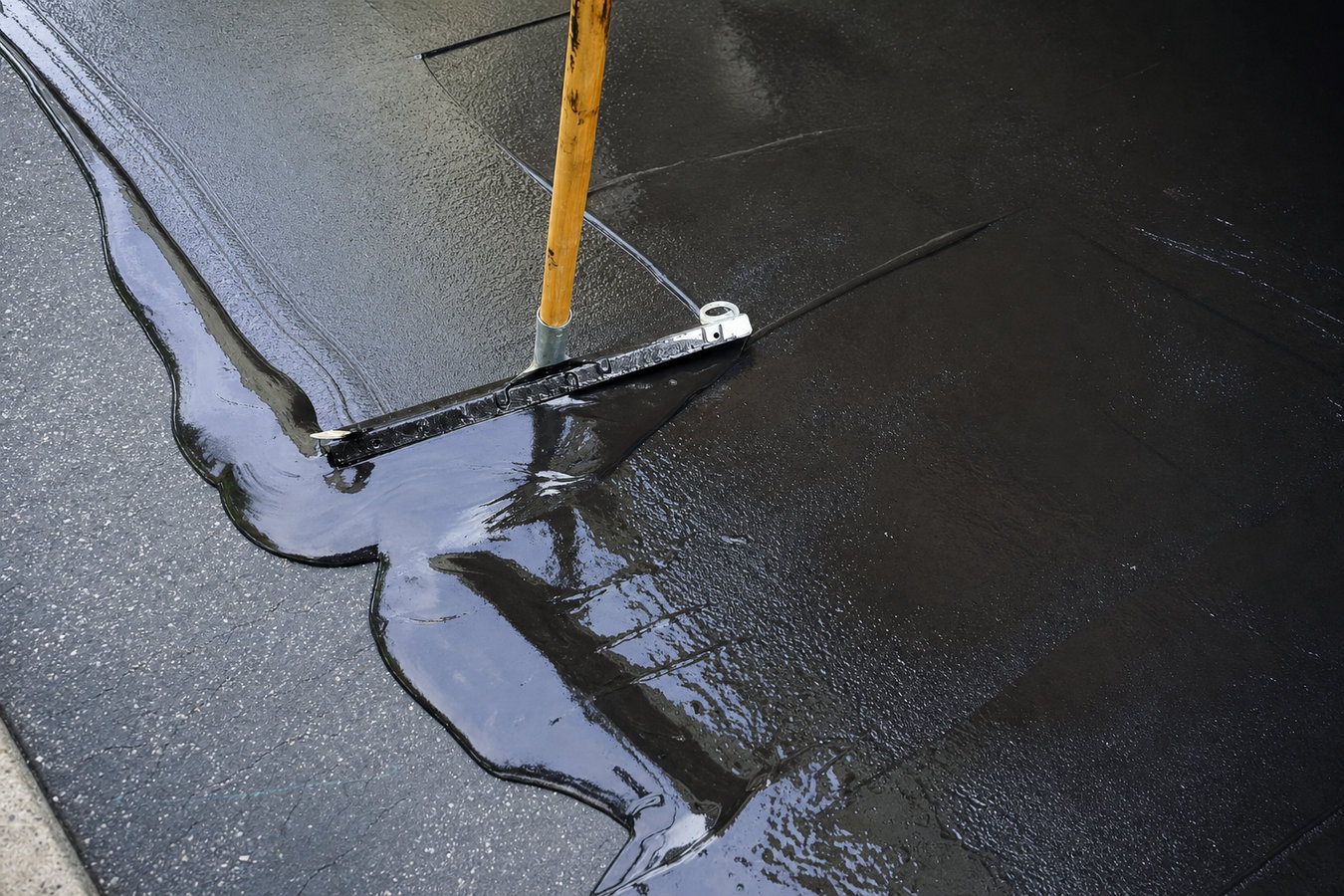
When your driveway or lot is cracked and worn but the base is still solid, resurfacing is the smart fix. We lay a fresh asphalt overlay that looks new, adds real structural thickness, and holds up to Gilroy summers.
Asphalt resurfacing in Gilroy, CA means laying a fresh layer of hot-mix asphalt directly over your existing surface - the old pavement stays in place, the new layer bonds to it, and most residential driveways are finished in a single day. It is not a patch, and it is not a cosmetic fix. Resurfacing adds real structural thickness and restores the protective binder that Gilroy's sun has baked out of your old surface.
Resurfacing works when the base beneath your driveway is still solid and stable. If the foundation has shifted or failed - common in Gilroy's expansive clay soils after several wet-dry cycles - a new surface layer will crack again quickly, and a full replacement is the better investment. Before recommending anything, we check the base. If individual repairs have stopped holding and cracks keep coming back in the same spots, there may be a deeper problem that needs to be addressed. In those cases, pothole repair and targeted base work may be needed before a resurfacing overlay makes sense.
You can see a network of cracks across your driveway, but when you press on the surface it feels firm and does not flex or sink. That combination - surface damage on a stable base - is exactly what resurfacing is designed to fix. Waiting longer lets water into those cracks and weakens the base, turning a resurfacing job into a costlier full replacement.
Gilroy's intense summer sun oxidizes asphalt over time, leaving it gray, brittle, and rough-textured instead of smooth and dark. A surface that feels like sandpaper has lost its protective binder and is breaking down from the top. Resurfacing restores both the look and the protective function.
Low spots where water sits after Gilroy's winter rains - or after irrigation runs - are a warning sign. Standing water works its way into small cracks, softens the base over time, and speeds up deterioration. Resurfacing done with proper grading eliminates low spots and redirects water where it belongs.
Asphalt edges are the first place to show serious wear, especially where the driveway meets a lawn or planting bed. Crumbling edges let water in from the sides and signal that the surface layer has lost its integrity. Once the edges start going, the damage tends to spread inward fairly quickly.
We resurface residential driveways, commercial lots, and HOA common areas throughout the Gilroy area. Every resurfacing project starts with a base assessment. If we find soft spots or localized failure, we address those with targeted pothole repair and base compaction before the new overlay goes down. Skipping this step is the main reason resurfacing jobs fail early - we do not skip it.
For surfaces that have deteriorated beyond what a standard overlay can fix, we also discuss whether asphalt milling - removing the old surface layer before paving - is the right approach for your property. Milling gives the new asphalt a cleaner bond surface and keeps the finished grade from becoming too high at thresholds and edges. We will walk you through both options and give you a written estimate for each so you can make an informed decision.
Best for homeowners with a cracked or worn driveway on a solid base who want a lasting fix without a full tearout.
Best for property managers and business owners whose lots have deteriorated past what sealcoating alone can address.
Best when the old surface needs to be removed before the new layer is applied - keeps grades correct at doorways, curbs, and drainage structures.
Gilroy sits on the Santa Clara Valley floor, where expansive clay soils are common. These soils swell when the winter rains come and shrink during the long dry summer, and that repeated movement is the main reason driveways crack and develop recurring problem spots here - not frost or freeze-thaw cycles, which are essentially absent. A contractor who understands local soil behavior will assess your base carefully before resurfacing, because a moving base will crack a new surface quickly. Gilroy's consistent summer heat also means the ideal paving window is spring or early fall, when temperatures allow the hot-mix asphalt to be laid and compacted under the right conditions. The National Asphalt Pavement Association recommends base evaluation before any resurfacing project - a step we take on every job.
Many Gilroy homes in newer subdivisions were built in the 1990s and 2000s, and driveways from that era are now 20 to 30 years old - reaching the end of their first useful life. Properties on the edge of town with longer driveways or agricultural access roads also benefit from resurfacing as an alternative to full replacement. We serve homeowners and property owners in San Martin and Morgan Hill who face the same clay soil and seasonal conditions as Gilroy, and we are familiar with the typical property types and access challenges throughout this corridor.
Call or submit the contact form. We respond within 1 business day to schedule a free on-site estimate. We measure the area, assess your existing surface and base, and give you a written quote that covers everything - no surprise charges after work begins.
Before the overlay goes down, the crew inspects and addresses any soft spots or localized base failure. The existing surface is cleaned thoroughly and a tack coat - a thin bonding layer - is applied. This prep is what separates a long-lasting job from one that separates within a season.
A paving machine lays the hot-mix asphalt at a consistent thickness across the entire surface. A heavy roller then compacts the material - critical for strength and smoothness. Edges are finished carefully so water sheds properly rather than pooling at the borders.
You can walk on fresh asphalt within a few hours, but keep vehicles off for at least 24 to 48 hours. In Gilroy's summer heat, the surface stays soft longer - follow your contractor's specific guidance. We also advise on the right timing for a follow-up sealcoat to protect the new surface.
We check the base, give you an honest assessment of resurfacing versus replacement, and provide a written quote - no obligation, no pressure.
(669) 345-1659We check the foundation before we quote the overlay. In Gilroy's clay-soil environment, this is not optional - it is the difference between a resurfacing job that holds for years and one that starts cracking again in the first wet season. We will tell you honestly if replacement makes more sense.
Quality resurfacing is about consistent overlay thickness and proper compaction across the entire surface. Thin spots near edges and uneven compaction are the most common failure points in rushed jobs. Our crew does not rush the roller pass.
The Santa Clara Valley's expansive clay soils create resurfacing challenges that contractors from outside the area often miss. We have assessed and resurfaced driveways across the southern valley and know what to look for before any material hits the ground.
California requires paving contractors to hold a state-issued license before working on your property. You can verify any contractor's current license status in about 30 seconds at cslb.ca.gov - it is the fastest way to confirm you are hiring a legitimate professional.
Every one of these points reflects the same commitment: do the job right the first time so you are not calling us back in two years with the same problem. That is what a written warranty and honest base assessment are there to back up.
Targeted base and surface repairs for localized failure areas - often a necessary first step before a resurfacing overlay goes down.
Learn MoreRemoves the old surface layer before new asphalt is applied, keeping grades correct and giving the overlay a clean bonding surface.
Learn MoreSpring and fall slots fill quickly - reach out now to lock in your date before the summer heat makes paving conditions more challenging.